January 2026
Artificial Intelligence captures the global imagination because it projects an image of immense power. Yet, the true test of AI is not the sophistication of the machine, but the culture that attempts to operate it.
Many nations clamor for advanced systems, confusing desire with readiness. But sophisticated tools inevitably fracture when introduced into institutions that lack discipline and honesty. Technology acts as a relentless stress test for integrity and critical thinking. If these human foundations are weak, the system will fail, regardless of how advanced the algorithm may be.
This pattern is already visible. Organizations frequently announce ambitious digital transformations while their internal processes remain archaic. Meetings rely on improvisation rather than preparation; documentation is shunned.
The result is a modern engine bolted onto a rusting chassis, outwardly sleek, but inwardly fragile. Technology does not erase cultural weaknesses, it exposes them with unforgiving clarity.
Recent events illustrate this dynamic. We often see urgent human needs met with slow, uneven responses, while highly visible, symbolic actions are executed with lightning speed. This contrast reveals a structural habit: systems that are reactive to optics but hesitant in the face of genuine suffering.
A nation that fails to prioritize human dignity in its daily operations will struggle to manage advanced technology. AI does not correct a deficit of responsibility, it amplifies it.
These institutional weaknesses do not manifest spontaneously in adulthood; they germinate much earlier. A nation’s relationship with technology is forged in childhood, where habits of curiosity, perseverance and independent reasoning are either nurtured or suppressed.
Children raised in environments that punish mistakes and reward compliance grow into adults who fear uncertainty and depend heavily on external authority. These traits follow them into universities, ministries and boardrooms.
While technology accelerates processes, it cannot accelerate maturity. If a nation enters the AI era without a strong cognitive foundation, its progress will be wide but perilously shallow.
This early imbalance fuels the very inequality that AI is often accused of creating. Systems naturally reward individuals with strong cognitive frameworks while disadvantaging those who were never given the tools to build them.
Consequently, a nation that imports advanced systems without cultivating its own talent becomes perpetually dependent. Algorithms are purchased, not built; infrastructure is leased, not owned.
This dependency is not merely a technological issue, it is a cultural one. It mirrors the entrenched pattern of rent-seeking, where no true capability is built and no broad-based wealth is created. In this context, AI becomes just another layer protecting existing advantages rather than a tool for expanding national competence.
Weak governance deepens the risk. AI demands integrity in data, clarity in procedures and consistency in enforcement. When internal controls are lax, technology magnifies the cracks.
If rules shift according to personalities, automated systems will replicate that inconsistency at scale. If data is massaged to avoid embarrassment, the system learns to produce comfort rather than truth. Once encoded, these distortions become permanent. Technology cannot straighten what governance has left crooked.
This has profound human rights implications. Without ethical guardrails, AI can deepen discrimination and expand surveillance. Efficiency without justice results in decisions that are fast but unfair. AI cannot generate dignity, dignity must be a pre-existing value within the society that deploys it.
Cultural identity dictates a nation’s posture toward these challenges. Javanese philosophy offers a crucial warning against gumun, the reflex to be easily bedazzled by the new or to display what one has not yet mastered. This is not mere folklore; it is a practical guardrail for the digital age.
Societies that lack this grounding admire technology too quickly. They chase trends without understanding, adopting tools as symbols of progress rather than instruments of strength. When identity is weak, imitation becomes the default. A society without a cultural anchor becomes reactive, insecure and easily swayed by every external wave.
Conversely, a stable identity creates a steady posture. It prevents panic, encourages clarity over noise and prompts the nation to assess whether a technology serves its values or undermines them.
Ultimately, discipline is the silent pillar holding this structure together. AI systems require precise data and honest reporting, qualities that cannot be purchased, but must be lived. This is why the distinction between "Human-in-the-Loop" and "AI-in-the-Loop" is vital.
"Human-in-the-Loop" places the individual at the start of the chain: human framing and responsibility precede the machine. "AI-in-the-Loop" means the system supports the process but never usurps human oversight. The machine predicts; the human decides. These models ensure that accountability is never outsourced to a silent, unscrutinized authority.
Leading thinkers converge on this reality. As Sean Gerrish notes, AI is fundamentally engineering and feedback, systems fail when the human loop is weak. Economists Agrawal, Gans and Goldfarb argue that as prediction becomes cheap, human judgment becomes the premium asset. Yet, as Ethan Mollick demonstrates, judgment does not grow in cultures that punish reflective thinking.
These lessons point to a singular conclusion: AI will not decide a nation’s future. Culture will.
Before AI grows to full scale, every nation must confront a mirror. The question is not how fast AI can be adopted, but what kind of people we wish to be. A society that strengthens discipline, upholds universal moral values and protects integrity will use AI to raise its capabilities. A society that tolerates shortcuts and inconsistent governance will see AI amplify its fractures.
Machines can predict, but only humans can decide. The countries that build reliable human habits will shape the future; those that avoid this work will merely struggle inside it.
*
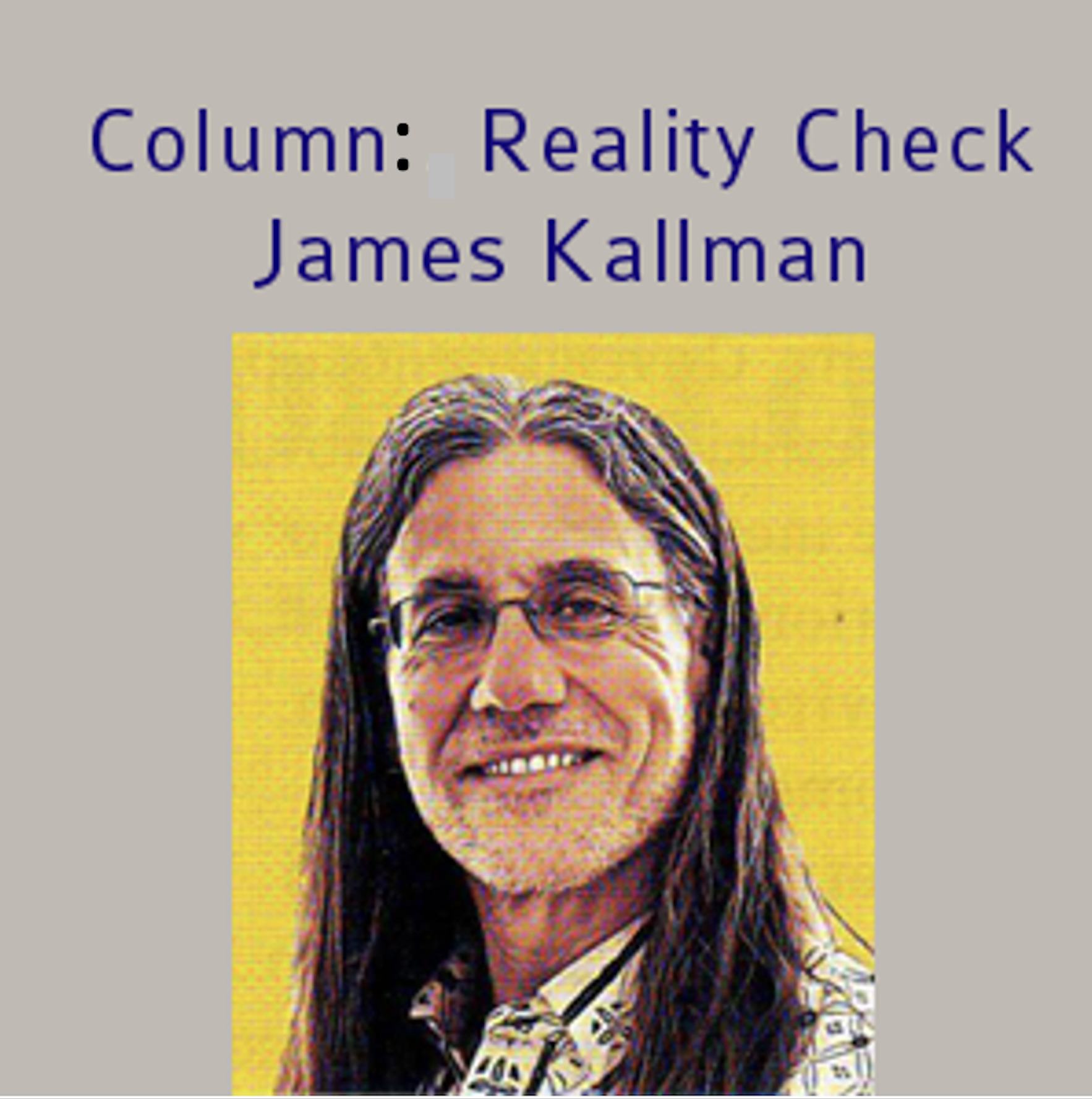
Toronata Tambun is the director of the Mens et Manus Foundation. James Kallman is a cofounder of The Foundation for International Human Rights Reporting Standards. The views expressed are personal.
Featured in The Jakarta Post